Rethinking retirement: Susan’s story
At 71, Susan is running half marathons, skiing, travelling, working in employee relations, facilitating Insights workshops and spending time with her family – including her 10 grandchildren – while providing short-term foster care for children in need.
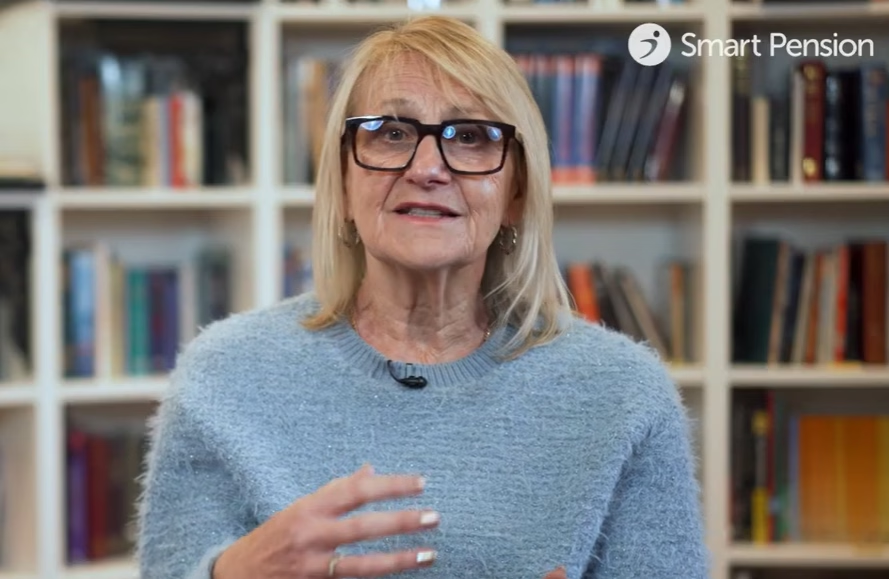
It’s fair to say the traditional sense of the word ‘retirement’ just doesn’t apply to her. She’s totally redefining what it means.
“We should replace [retirement] with something like ‘flexi-working’”.
While her energy is exceptional for someone many decades younger, her experience is no longer unusual. As our 2026 retirement research report shows, a large proportion – 44% – of people and nearly half of women, feel the word ‘retirement’ no longer describes their expectations for later life.
Coupled with that, over a third of people would like to keep working beyond traditional retirement age in a flexible or part-time role.
Susan strongly agrees with this analysis and believes flexibility is the future of later-life working. She says: “We should retire the word retirement and replace it with something like ‘flexi-working’.”
A career path ahead of its time
In a pattern that will resonate with many young people today, Susan's working life has taken her through several very different careers.
She began in professional theatre before moving into financial services when she needed to be more financially secure. She enjoyed a successful career at a building society, including roles as an area director and Head of Mortgages. This financial know-how would stand her in good stead when it came to planning her future…
“It’s about having the freedom to write your own job description.”
In 2009, she wanted to make a change and was fortunate enough to be able to access her pension and tax-free cash early. This gave her the freedom to move into working in the charity sector.
She says if she’d opted to stop working altogether, she might have been able to survive on her pension alone, but she would not have been able to have had the lifestyle she now loves.
She spent the next three years supporting prison leavers and people experiencing homelessness, before joining another charity in 2013. She left eleven years later and now works completely on her own terms.
She says, “I don't think retirement means stopping work. It’s about having the freedom to write your own job description.”
Nowadays, she takes on part-time and short-term projects when they suit her and works as an Insights practitioner running around one workshop a month. She continues to keep up with employment legislation and enjoys working on complex employer-relations cases.
From intensive care to the London Marathon
Her life now is pretty idyllic. She and her husband live in a beautiful village in Gloucestershire with their rescue dog and have a busy family life with their children, grandchildren aged between four and 23, and the foster children. But she and her husband have had major health battles. In 2018, she survived double pneumonia and sepsis and spent three and a half weeks in intensive care. Her husband received cancer treatment not long after, which was fortunately successful.
“You have to believe it's achievable before you start taking action.”
These health issues intensified her desire to remain fit and active, and encouraged by her family, she took up running in 2021. In 2023, she completed the London Marathon and raised £4,000 for homelessness, and in September 2026 she took part in her local Cheltenham half marathon.
For her, the planning required to run long distances is a bit like planning for your financial future. You have to take the first step and keep going to achieve your goals. She adds, “You have to believe it's achievable before you start taking action.”
Saving small pays off later
For someone in their 20s, 30s and 40s, retirement can seem impossibly far away. There are more immediate financial pressures: mortgages, rent, university costs, family expenses and the challenge of saving for a home. Susan compares pension saving to trying to persuade someone to buy an overcoat in summer. “You know you'll need it eventually, but it's difficult to see why you should worry about it now.”
That's one of the challenges for the pensions industry, making something that feels distant feel relevant today.
For younger generations, the financial landscape can also look very different from the one their parents experienced. When buying a home feels unattainable, saving for retirement can fall further down the priority list, but Susan believes even saving small amounts is better than nothing and can make a big difference later.
Investing in the life you want
Susan adds that it is important to think about what you want your future to look like. For her, the answer includes globetrotting, family and having the freedom to choose how she spends her time. But she knows that this lifestyle needs to be carefully budgeted for.
She has a serious point, a pension isn't just about allowing you to stop work. It's about funding the life you want to live.
She believes pension providers should focus on looking at what people want to achieve, rather than exclusively on the products. With a mortgage, for example, the customer’s focus isn’t usually on the loan - it’s about buying a home. People need to understand pensions in a similar way. You are investing in your future self.
Employers need to play their part
Susan believes employers have an important role to play in making flexible working work for older employees. She suggests that four-day weeks and nine-day fortnights could help organisations retain experienced people who might otherwise leave the workforce.
Again, our research echoes this, with nearly half of 50 – 65 year olds wanting to stay in their jobs post the traditional retirement age with fewer hours. But flexibility needs to be genuine. Susan adds, “If you go down to four days, you need to make sure your workload goes down by 20% as well.”
“It’s not just the work you miss, it’s the structure around it.”
Her view is that employers should create a working environment where people can gradually change how they work without feeling that their only alternative is to retire completely.
She also believes it is important to keep a full life outside of work so stopping or reducing work is not such a shock. She remembers the emotional impact of losing her day with her youngest grandchild when he started school. A regular day of childcare had become an important part of her week and It made her think about what happens when people finish work. She states, “It’s not just the work you miss, it’s the structure around it.”
Susan has rethought retirement
Susan doesn't know exactly what her next chapter will look like and that's the point. She doesn't have a fixed retirement date or a rigid plan for what she'll do with her time.
Instead, she’ll continue to do things her way. Working when she wants to and doing the things she loves with the people she loves.
With increasing numbers of us working beyond the traditional retirement age, Susan’s ‘flexi-working’ unretirement model could be the answer.
Final thought
Susan and Smart Pension
Susan became a member of Smart Pension when working for a charity and loves the customer service. “I can use tech but it's great to be able to contact Smart Pension and for them to respond straight away and not to be listening to a recorded message. I feel very much looked after and cared for.”
Find out how Smart Pension can help you to make the most of your retirement
Good to know
This information is for guidance purposes only and is not financial advice. If you need financial advice you can locate a regulated financial adviser on the MoneyHelper website. Where we provide links to third-party websites we are not responsible for their content, so it's important for you to carry out your own independent research.