Closing the gaps in a growing market of Shariah-compliant pensions
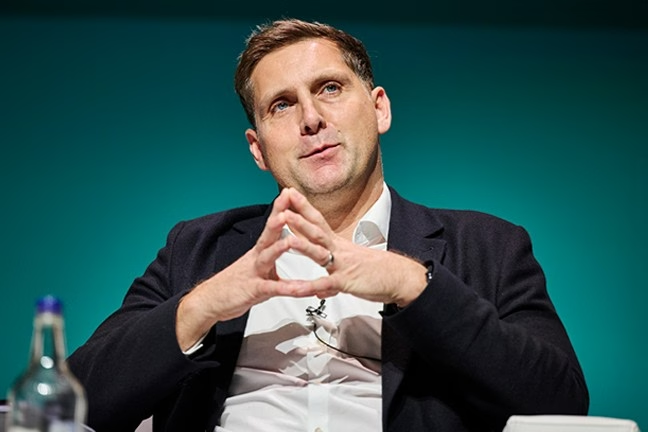
Gain valuable insights from the Islamic Finance Forum, where Smart Pension’s Chief Investment Officer James Lawrence joined leading industry experts to discuss the evolving landscape of Shariah-compliant pensions.
What does the future of Islamic finance in the UK look like, and what role can pensions play in shaping it?
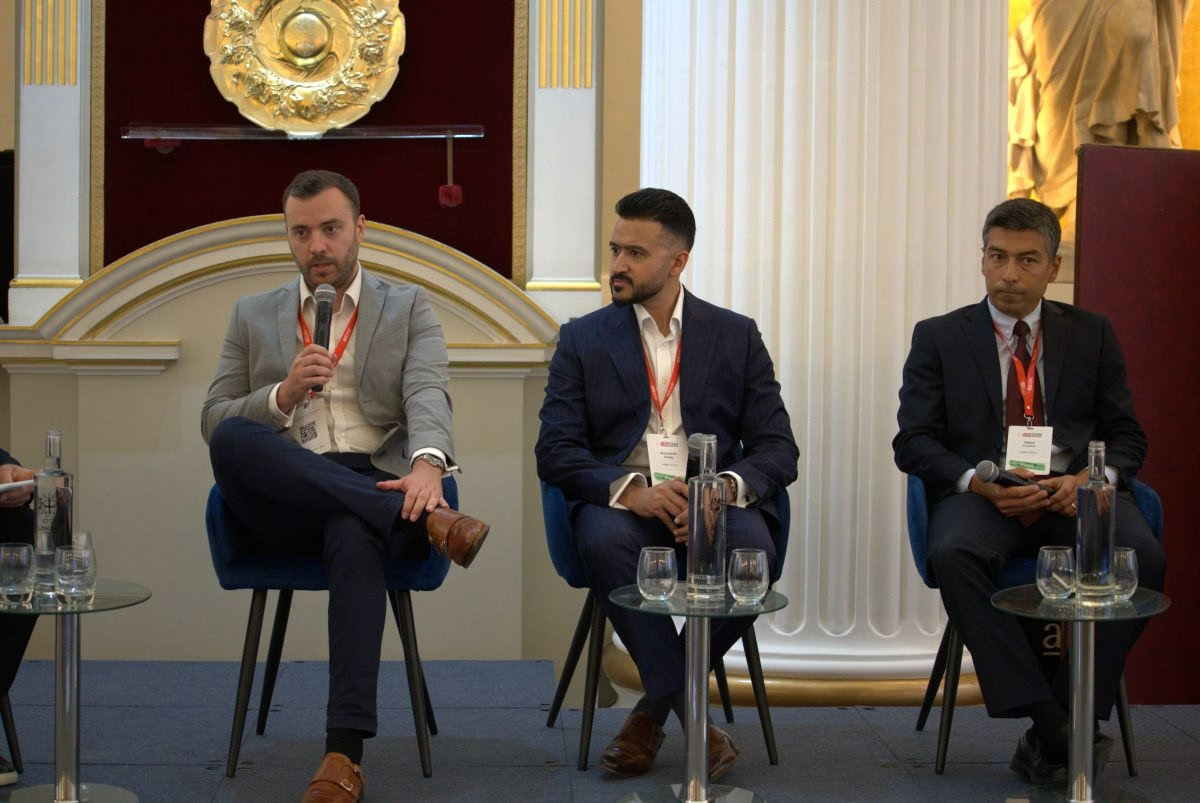
That was one of the questions at the heart of this year’s IFN UK Forum, held at the historic Mansion House on 7 September 2026. Europe’s longest-running Islamic finance conference brought together leading bankers, investors, intermediaries and service providers from across the industry to explore how the UK can strengthen its position as a global Islamic finance hub.
Under the theme Authenticity, Innovation & Impact: Rethinking the UK’s Islamic Finance Value Proposition, the event brought a wealth of perspectives to the conversation, including James Lawrence, Smart Pension’s Chief Investment Officer.
In a panel session moderated by Sefian Kasem of HSBC Global Asset Management, Lawrence joined Muzzammil Dhedhy, Executive Director and Chief Risk and Compliance Officer at Hejaz Group, and Tolibjon Tursunov, Investment Manager at Baillie Gifford, to discuss how pension providers can close the gap of Shariah-compliant pensions in a growing market. And here are the key takeaways.
Opportunity or risk?
Kicking off the panel discussion, Kasem highlighted that pensions are about more than simply having an investment fund available on a platform somewhere. “They’re about access, scale, cost, default options, employer engagement and ultimately providing people with a credible income in retirement.”
At a time where the UK pension market is changing rapidly, with an increased focus on value for money, scale and better outcomes, Lawrence was asked if these reforms create an opportunity for Shariah-compliant pensions to compete more effectively or if there’s a risk that a regulatory system could make it harder to achieve scale.
Lawrence mentioned that it’s “a positive sign that the government’s seeing the need for Shariah compliance and realising that there isn’t scale in a lot of these solutions at the moment.”
He added: “I think the focus on value for money is going to be very helpful for Shariah investing because some of the returns from Shariah funds have been absolutely incredible over the past few years.”
Focusing on the returns
On a similar note, Tursunov highlighted that if we want Shariah compliant pensions to compete on outcomes rather than just faith alignment, it will all come down to returns.
“Clients want to know the attraction of the absolute return, the relative return and the risk-adjusted return.”
And to achieve this, he mentioned that pension providers need to offer a variety of solutions.
“On the private side we can make Shariah-compliant private equity funds available, but at this stage we should come to the market with a variety of products.”
He later added that pension providers “have the responsibility in front of our clients, Muslim and non-Muslim, to say we’re doing our best so that you are not missing out on potential returns just because you’ve chosen to invest in an Islamic fund.”
“We don’t want Muslim savers to feel like they’re missing out by investing in Shariah compliant funds.”
The value of speaking directly to the audience
The panel went on to discuss how innovation can remain both commercially viable and authentically Shariah compliant when creating products across asset classes, with Dhedhy taking the time to highlight the importance of effectively targeting your audience.
He pointed out that “in order for us to construct the best portfolios possible, that we can with the constraints applied to us, we need to ensure our products are available at scale, which you can do by owning infrastructure.”
When talking about Hejaz Group, an Australian Islamic financial services institution, he mentioned: “If we want to go about advertising and promoting our products and services directly to our retail clientele, traditionally we’re doing that on conventional social media. But conventional social media was never really built for the Muslim community. So we’ve developed our own critical infrastructure around this, called the Wahda app.”
Wahda is an all-in-one app created for the daily needs of Muslims, “primarily focusing on the Muslim community, championing their values, culture, history and religion.”
And when it comes to pensions, engaging your audience is one of the most important actions for providers. Lawrence mentioned that low engagement is one of the main problems within the pension industry, with the opt-out rates for the Muslim community being up to three times higher than the non-Muslim rate in pensions.
To put this into context, “the actual figure that people lose by opting out is £16,000 per year.”
As a result, pension providers need to engage their Muslim community properly if they want to close the gap.
“If your audience doesn’t see, appreciate or acknowledge the value of what you bring to them, they won’t take up those solutions” said Dhedhy.
A need for collaboration
To close off the panel discussion, the industry experts discussed the need for collaboration, particularly if pension providers want to attract and retain different types of savers.
Lawrence pointed out the asset managers need to come on the Shariah-compliant journey with pension providers.
“Asset managers need to build innovative products and do the deep due diligence on Shariah. We’re seeing some really interesting products around real estate that wouldn’t have been shariah compliant in the past but are now. We are at the beginning of the journey and we need asset managers to come on the journey with us.”
On a final note, Kasem left the audience with one key message: “We need to build an ecosystem in which Shariah conscious savers can participate in the pension system with confidence and an expectation of quality, just like everyone else. But that progress needs to take place in the form of collaboration through the entire ecosystem.”
You can catch the full session here.
A Halal workplace pension
Created in partnership with Wahed, Smart Pension’s halal workplace pension is truly Shariah-compliant. Wahed's Shariah Supervisory Board rigorously screens investments to ensure halal compliance and savers can transfer existing pensions that may not be Shariah compliant, helping more of their retirement savings stay invested in line with their beliefs.
Read more about Smart Pension’s halal workplace pension.
About Smart Pension
Launched in 2015, Smart Pension now exceeds £10bn in Assets Under Management (AUM) and serves 2 million members and 100,000 employers. It is powered by Keystone, Smart’s global savings and investments technology platform.
Aquiline, Barclays, Chrysalis Investments, DWS Group, Fidelity InternationalStrategic Ventures, J.P. Morgan, MUFG and Natixis Investment Managers are all investors in Smart Pension.